
Our Specialized Clinic is suited for adults over 65 who have experienced even one fall in the past year or who feel a strong fear of falling, as well as adults over 50 with mobility difficulties due to neurological or orthopedic conditions. Particular attention is given to the assessment of patients with osteoporosis or a history of osteoporotic fracture. Each patient undergoes a detailed medical history review and clinical examination, aimed at a comprehensive assessment of fall risk. For this purpose, we use specialized diagnostic tools, including: •Hand grip dynamometry The choice of the appropriate diagnostic method is made on an individual basis, according to each patient’s medical history, symptoms, and needs. Personalized Rehabilitation Programs Family Education and Support Multidisciplinary Team Monitoring and Reassessment Who It’s For
Services Provided
•Electromyography (EMG), to rule out or diagnose peripheral neuropathies, radiculopathies, or myopathies
•Assessment of static and dynamic balance and gait using the Balance Tutor system, combined with clinical tests
•Evaluation of gait speed, physical activity levels, and possible nutritional disorders
•Body composition analysis using bioelectrical impedance analysis (BIA)
•Assessment of activities of daily living
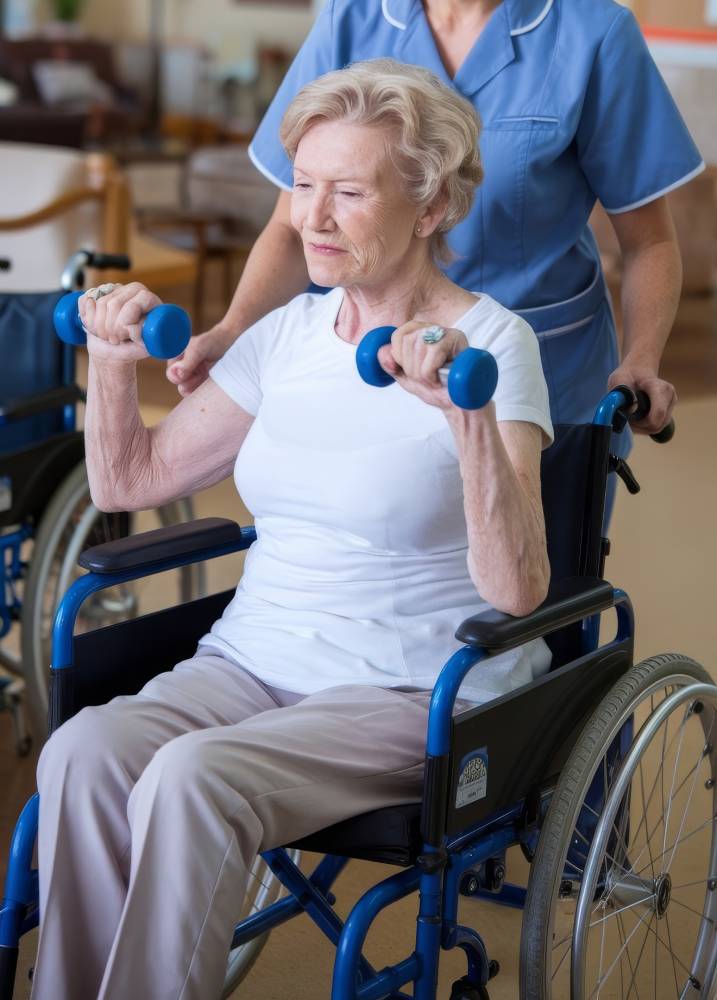
•Design and prescription of a personalized exercise program
•Assessment of the home environment to identify and minimize fall risks
•Management of musculoskeletal pain
•Investigation and management of sarcopenia
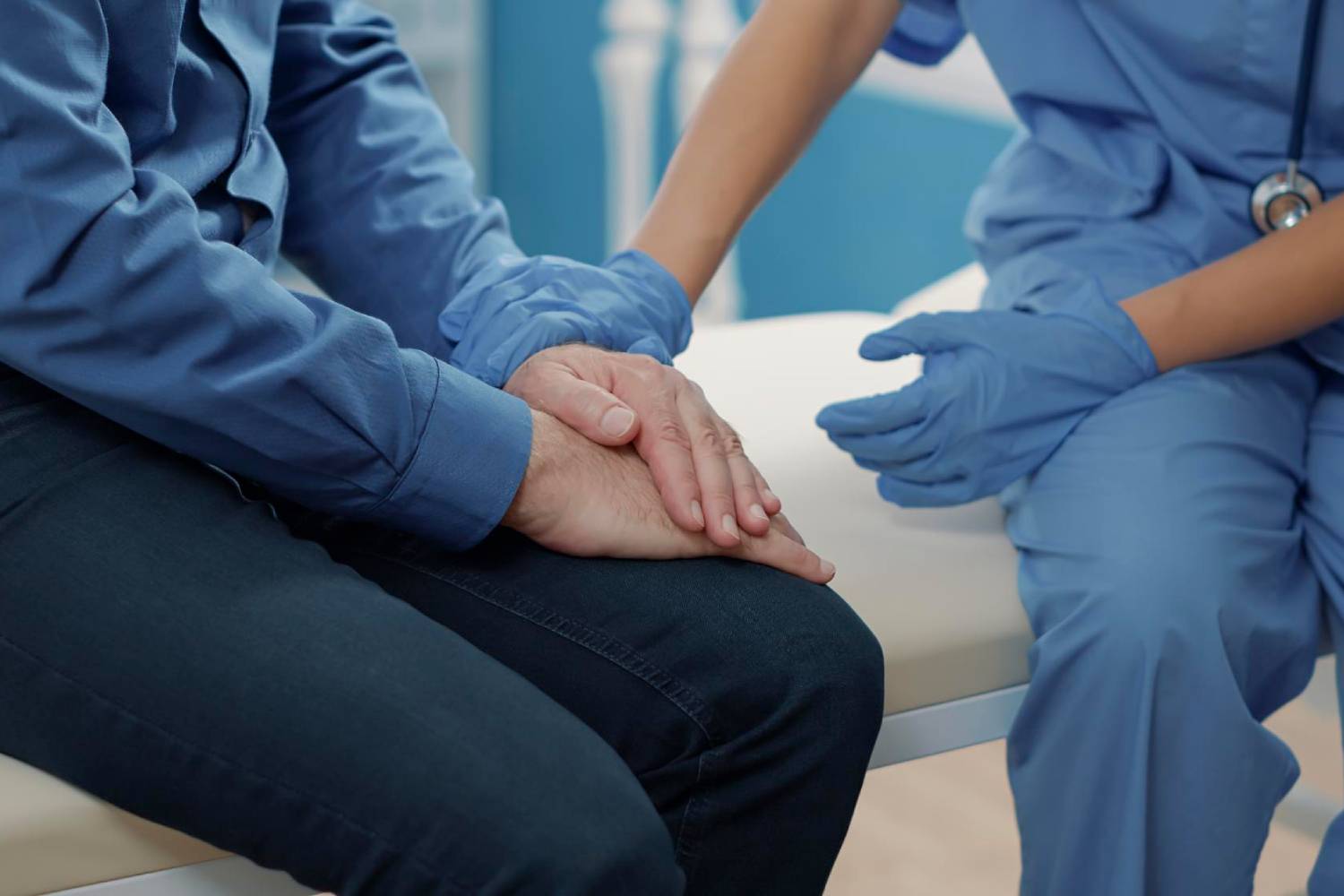
Rehabilitation programs combine physiotherapy, occupational therapy, nutritional interventions, and other supportive therapies, aimed at improving the patient’s mobility and independence and reducing the risk of falls.
Families and caregivers are trained and guided by the Multidisciplinary Team, ensuring patients receive the best possible support and helping to strengthen their daily living skills.
The multidisciplinary approach involves close collaboration with a Dietitian, Psychologist, Physiotherapist, and Occupational Therapist, as well as with physicians from other specialties — such as an Internist, Neurologist, or Orthopedic Surgeon — whenever necessary, in order to develop a comprehensive treatment plan.
The patient’s progress is continuously monitored, with regular reassessments and corresponding adjustments to the treatment plan.
- Home
- Attica
- Meet The Team
- Conditions
- Specialized Clinics
- Multiple Sclerosis Clinic
- Clinic for Muscle Tone Disorders and Spasticity
- Clinic for Neurogenic Bladder & Neurogenic Bowel
- Sports Injuries Department
- General Physical Medicine and Rehabilitation Clinic
- Cognitive Rehabilitation Clinic
- Balance & Gait Re-education Clinic
- Biomedical Acupuncture Clinic
- Speech Disorders Clinic
- PRP Injection Clinic
- Sleep and Sleep-Disordered Breathing Clinic
- Falls Prevention & Functional Independence Clinic
- Technological Innovations
- Services
- News
- Contact